If you're a cattle producer with years, maybe decades of experience, you'll know that breed selection is about so much more than simply selecting an animal that on paper, looks to be the highest-performing or most popular.
The selection you make has an immediate impact on such things as the cost of feed, how easily calves are delivered, your marketing options, your needs in terms of infrastructure, and what return you get on your investment per acre.
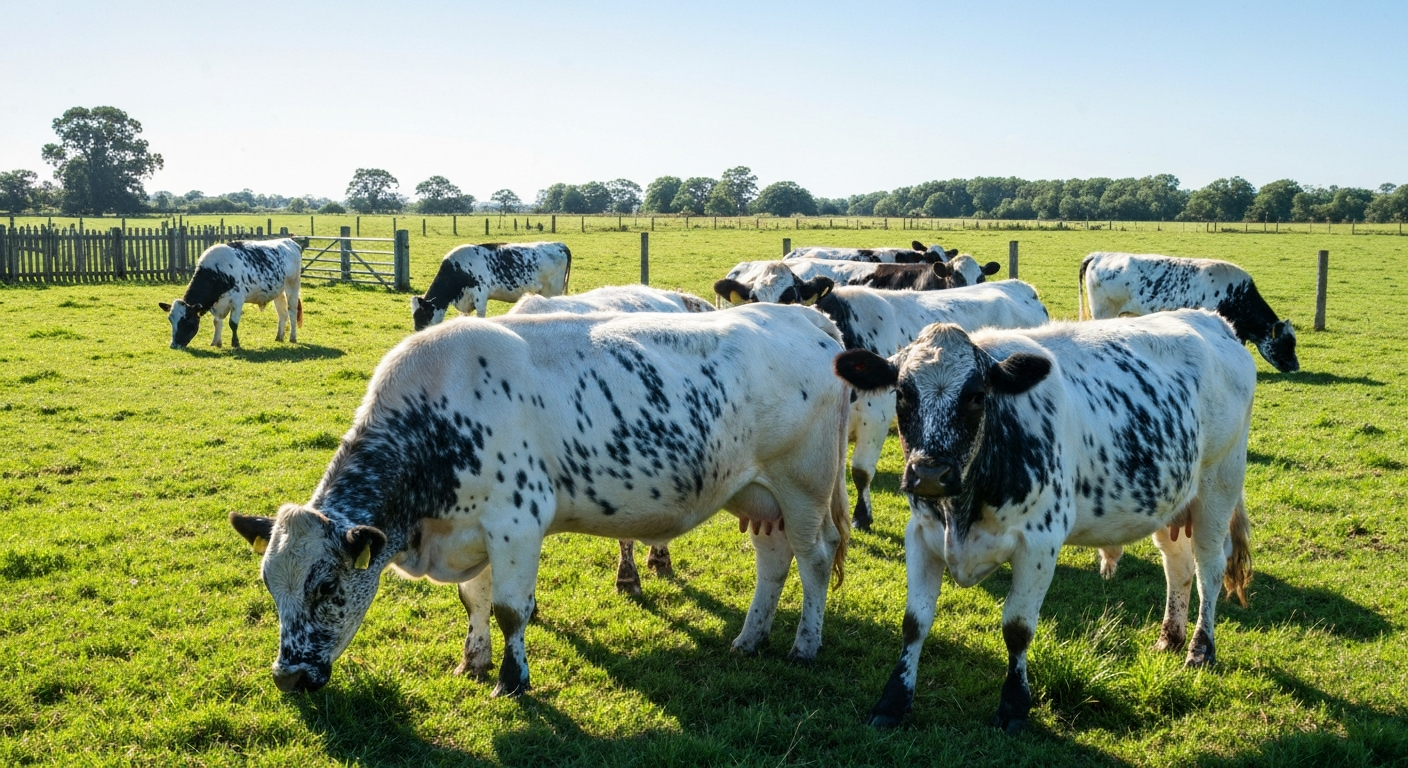
Selecting the right breed as a cattle producer, especially if you're new to the industry or expanding, is a decision that can have monumental consequences for your business. Whether looking for speckle park cattle for sale, or any other popular breed in Canada, selecting one that aligns well with your farming system is essential and not a decision to take lightly.
What To Check Before You Compare Cows
Before you start comparing cows, it's important to consider whether your own system can support that particular breed by looking closely at such factors as:
Production goals. Beef calves, raw milk, finished steers or replacement heifers, specialty dairy products, or a dual-purpose herd.
Local climate and geography. Extremes of temperature, altitude, humidity etc.
Land base and stocking rate. Raising breeds with a larger frame means more feed per cow, and your land may not support as many animals. More efficient breeds allow for higher rates of stocking on the same size land.
Forage and feed base. Availability and quality of legumes, grasses and crop residues on your land. High-quality feed is essential for high-production breeds.
Labor and infrastructure. Availability of labor if buying breeds that require more intensive management and calving supervision.
Market access. Check the preferences of your closest auction market.
Capital and cashflow. Your realistic capital position, as high-performance breeds tend to be more expensive to buy and maintain.
Level of experience. For managers with less experience, breeds with easy temperaments, such as speckle park, might be more beneficial.
Breed Selection Errors To Try And Avoid
When selecting a breed, even the most experienced of cattle farmers can make errors that end up costing them dearly. Below are some of the most common pitfalls to avoid during breed selection.
1. Optimizing For One Trait
Whether it be maximum marbling, highest growth rate or peak milk yield, selecting a breed for one trait alone without accounting for others like fertility or longevity is likely to reduce profitability in the long term.
2. Ignoring Local Environmental Conditions
Buying cattle on the basis of performance data from a region that is climatically different typically leads to poor adaptation and a reduction in performance, not to mention higher health costs.
3. Failing To Consider Temperament
Breeds that are more difficult to handle increase the potential for handler injury and need costlier infrastructure to keep them safe. They also produce beef that's lower in quality.
4. Undervaluing Longevity
If you've got a herd of cows who continue to be productive for more than 12 years without needing to be replaced, you can imagine what that represents financially in a herd of 30 cows or more.
5. Neglecting To Evaluate Hoof And Health
Breeding stock with poor structural soundness or conformation of their hooves often results in lameness, which over a number of years often leads to losses. Hoof health and structure is another essential breed selection criteria to consider.
6. Not Considering Mineral And Nutritional Requirements
By matching the forage mineral profile of your region to the requirements of your chosen breed, such as speckle park, you can prevent chronic problems with mineral and nutritional deficiencies.
Maintaining a scheduled veterinary relationship is equally critical after breed selection. Regular health checks allow early identification of breed-specific health vulnerabilities before they escalate.
Take Time To Understand Your Own Requirements
Breed selection has such a weighty influence on both the immediate and long term success of your beef or dairy operations that it's well worth taking the time to understand your own requirements, along with factors such as temperament and regional environment, before making your final decision.