
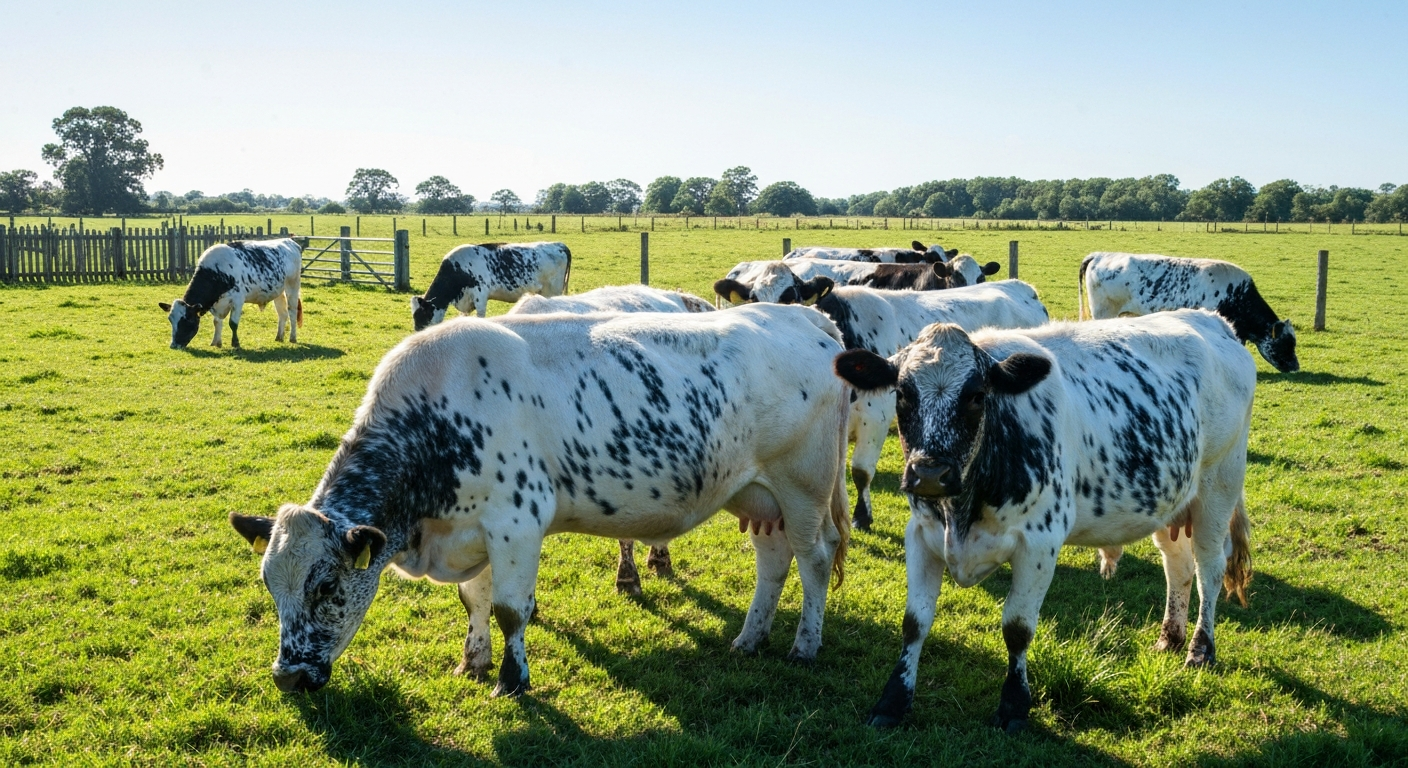
While beef remains a top protein for Canadians along with chicken, research has shown that many of the country's inhabitants eat beef around once a week, with a high percentage preferring to mix and match their proteins.
Ultimately, consumers want variety. More than ever before, they're happy to spend a good chunk of their grocery money on protein. Young shoppers also want convenience, they don't want to have to go to the store for their meat, and often prefer to have it delivered or picked up curb side through smartphone apps.
The beef market is changing, and speckle park farmers are finding themselves increasingly answerable to the modern, more health-conscious consumer.
Let's take a deeper dive into what drives consumers when they're buying beef.
Taste
In consumer surveys, beef came up tops for the best-tasting protein, with the whole eating experience driving purchases, such as juiciness, tenderness and flavor. The next purchase driver was convenience, closely followed by price, how the animal was raised, and nutritional values.
While back in the 90s, the majority of steaks failed standards used to rate tenderness, today, many more consumers rate beef highly for eating satisfaction, whether they're eating it in a restaurant, or at home.
Price
One growing concern however, is price. Beef values at retail level are robust, with steaks and ground beef topping the charts, but the consumer's willingness to pay is lagging somewhat behind actual process. Many may find themselves choosing to buy ground beef instead of steaks when their budgets are particularly tight, for instance.
Other Proteins
In terms of affordability, chicken still carries the competitive edge over most other proteins, and has managed to maintain its image of being a healthy meat. For those making budget-friendly choices, fish and pork are popular choices, and for those wanting to reduce their meat intake, they may sample plant-based options, but often alongside an animal protein, not instead of it.
With such fierce competition, beef must work hard to maintain its popularity and prove its value. In terms of advertising beef, promoting the ways in which it can be used economically or creatively to last longer while still tasting great, certainly helps.
The Protein Craze
Fortunately for beef, its strengths play right into the hands of the country's protein craze, which includes low-carb and high-protein diets. With doctors recommending protein for a wide range of patients nowadays, beef is seen by many as being a high-quality protein, despite chicken scoring a little higher in terms of consumers' perception of "healthy" meat.
Trust And Transparency
A significant percentage of the country's population aren't truly familiar with how beef is produced, but modern consumers want to know how cattle are being raised. Aside from taste and nutrition, they want to know that speckle park cattle are being reared and bred humanely, and that the processes used in beef farming are environmentally sustainable.
Honesty really is the best policy it would seem, with consumers valuing beef producers who answer their questions honestly, over those who don't.
Answering To A New Generation Of Consumers
Modern beef production is nothing like it used to be, and the needs and desires of modern consumers have changed beyond recognition, too. Only willing to buy once all of their questions have been answered satisfactorily, and once all of their demands have been met, consumers now look for beef producers who are willing to be held accountable for their cows and their meat, and farmers of speckle park cattle can do exactly that.