
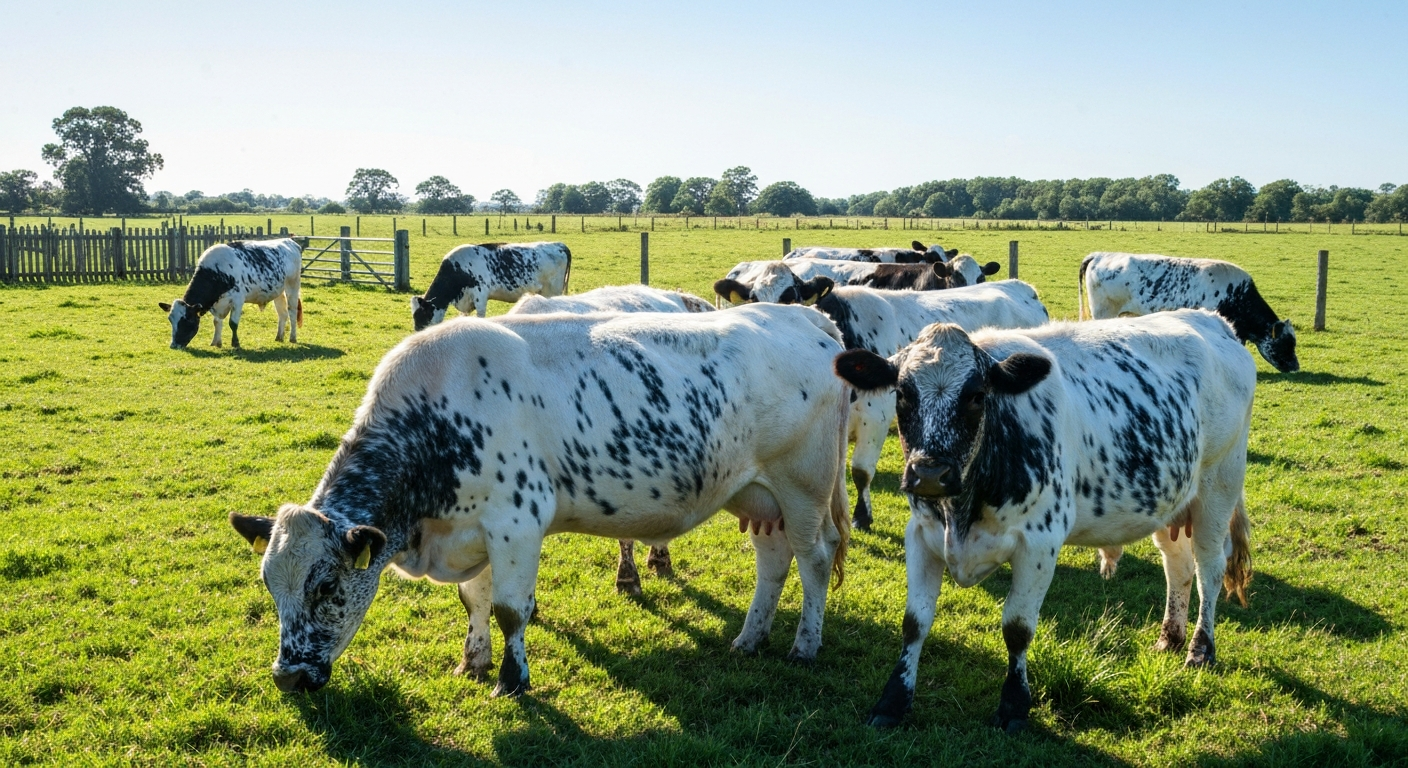
With winter waiting in the wings, cattle farmers across Canada are preparing themselves and their animals for weeks, possibly months, of snow, freezing rain and bitter winds.
When temperatures are set to drop, monitoring cattle to ensure that the winter months don't have a severe impact on their productive capabilities is crucial.
Here are 6 farmer-approved tips for cattle management during winter.
1. Access To Water
To remain at peak health, a constant and adequate supply of water must be provided daily. Poor intake of water or poor quality of water can hamper speckle park calves growth and performance. Calves younger than six months may consume 0 to 50 litres a day, growing cattle between 30 and 7, and lactating cows, 40 to 60 per day.
2. Weather Protection
When wintering beef cattle, it's essential to keep in mind that the effects of wind chill can be just as detrimental to cows as it is to humans. If protection from wind and snow isn't naturally provided, man-made windbreaks must be constructed. In general, 1 foot of fence length per cow is recommended.
3. Body Condition
Before winter kicks in (i.e. now), checking that cattle are in adequate body condition by monitoring them regularly can greatly reduce cold stress. Should a cow fall below a BCS of 3.0, supplementation must be added to the feeding program a minimum of 60 days before calving. During winter and late gestation cows require more maintenance, sometimes by as much as 40%, and can mean that improving their body condition during the colder months costs farmers 20-30% more than usual. Sorting cattle into age or condition groups can be helpful when arranging their feeding requirements.
4. Additional Energy
Beef cattle need more energy during winter, and this can either come from additional feed, or their own body reserves. In winter rations, energy is usually the most limiting nutrient, but extra grain can be slowly and consistently introduced to avoid upset. In general, an extra 1lb (0.45kg) of pellets or grain should be given every day, for every 5 degrees the temperature dips lower than -20 degrees Celsius at midday.
5. Sufficient Bedding
To help prevent frostbite, hypothermia or even death, adding a layer of insulated bedding is essential when temperatures plummet, and also helps keep cattle dry and mud-accumulation free. Moisture and mud make the insulating properties of cows' coats less effective, which in turn, raises their feeding requirements. It's important to remember that calves suffer from cold stress far quicker than cows, so bedded areas must be kept clean, dry and topped up when necessary.
6. Weather-Monitoring And Cattle Checking
As Ontarians are well aware, weather conditions can change on a dime, which can easily leave water access compromised, and windbreaks ineffective. For calves and cows in poor condition, rapid and drastic temperature changes put extra stress on them, making it even more important to have a well-thought-out plan in place for extreme cold weather bouts. Being alert to the effects of cold stress in speckle park cows for sale is also, equally important.
Keep Your Herd Happy And Healthy
No farmer wants to lose their precious cattle to cold weather, but by following the tips outlined above and being hyper alert to any small changes in behaviour and condition when temperatures drop, you can keep your herd happy and healthy until the warmer weather arrives.