When buying young cattle, it's more than just choosing the healthiest-looking cattle out in the pasture. Every purchase can have an impact on future growth, herd performance, feed costs, and the quality of cattle that ultimately enter the marketplace for producers. That's why selecting the right speckle park calves requires a little more thought than just comparing size and price.
Whether you are expanding a small farm, improving your breeding program, or introducing new genetics, knowing what to look for can help you make a more confident investment.
What Should You Look for in Speckle Park Calves?
The best calf for your operation is not necessarily the biggest one in the group. Instead, look for a combination of sound structure, sound development, useful genetics, and characteristics that fit your farm's goals.
Start With Health, Structure
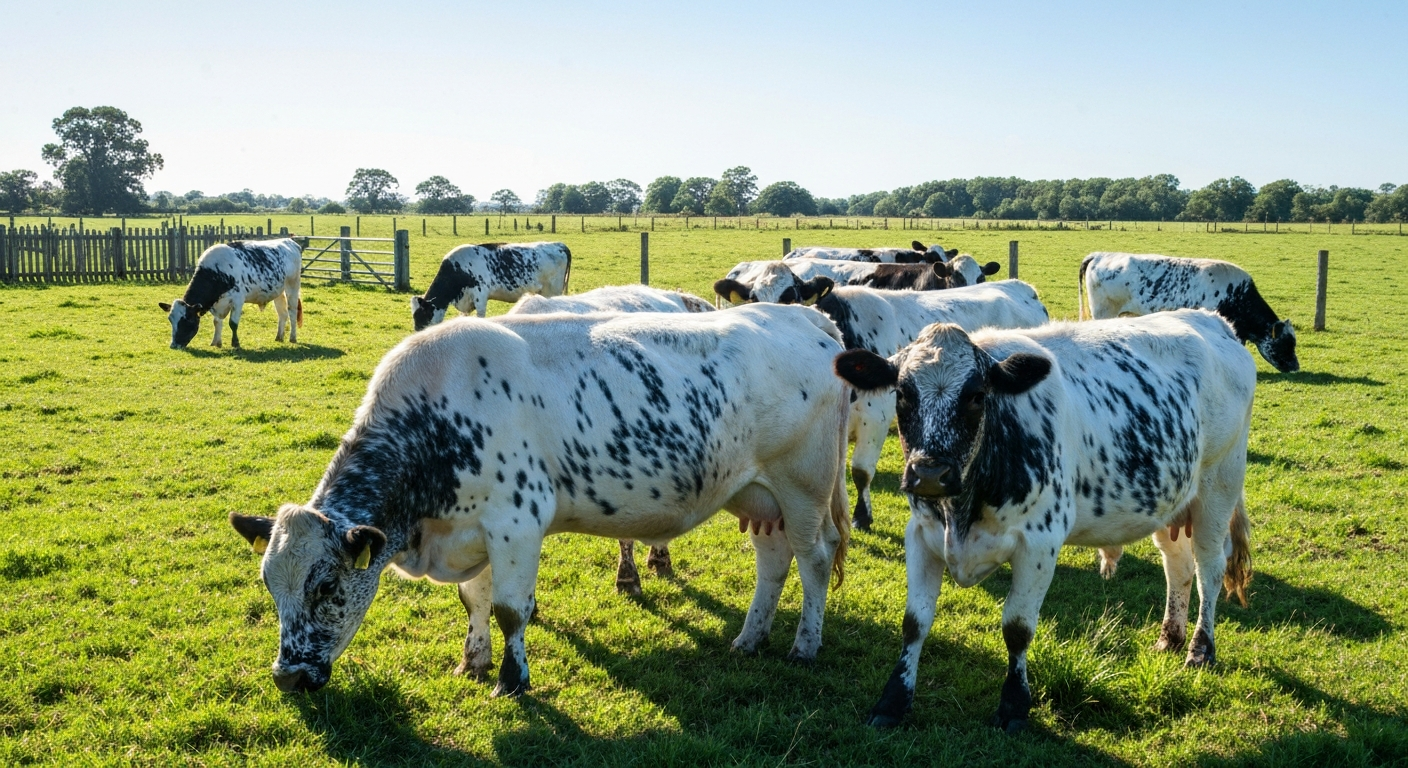
A healthy calf should be well-developed overall, alert, move soundly, and have a strong physical frame. Pay attention to the legs and feet. Good structural soundness can affect how an animal performs as it matures.
The background of the calf is also something to consider. Ask about its vaccination and health record, feeding program and general management. A breeder who can answer these questions openly gives you a better understanding of what you are purchasing.
Why Speckle Park Genetics Is Important
Genetics can steer a herd in a certain direction for years, so they are an important consideration when you buy replacement or breeding stock. Good genetics can improve traits such as growth, fertility, carcass quality and feed efficiency.
Trestle Creek Cattle Co. stresses looking beyond the individual animal and how genetics fit the producer's environment, management system and marketing plan. That broader approach can help prevent a common mistake, buying impressive cattle that do not actually suit the farm.
Consider EPDs Before You Buy
Expected Progeny Differences, or EPDs, can provide useful information when comparing breeding animals. They help producers evaluate the expected performance of future offspring for particular traits.
If you are buying speckle park calves for a long-term breeding program, ask if there is reliable pedigree and performance information available. It's not about one number, it's about the overall genetic profile and how it fits in with your breeding goals.
Can Speckle Park Calves Improve Herd Profitability?
Profitability in cattle production depends on much more than sale weight. Feed costs, growth, reproduction, carcass value, and market demand all contribute to the final result.
Speckle park genetics are often valued for traits associated with marbling, meat quality, and feed conversion. For producers using crossbreeding, incorporating these genetics can also be a way to introduce specific characteristics into a wider herd.
The practical lesson is simple. Determine what you want to improve first. If feed costs are a major concern, efficiency may deserve greater attention. If you are targeting a premium beef market, carcass and marbling characteristics may be more important.
What Makes Speckle Park Beef Appealing to Buyers?
But cattle production is only half the equation. Understanding the desires of consumers, retailers, restaurants, and butchers can assist producers in making better breeding choices.
The speckle park beef has been noted for characteristics such as marbling, meat yield, tenderness, and eating quality. Butchers also look at attributes including meat colour, fat distribution, muscle development, and the amount of usable meat relative to bone.
That means producers should think about the customer before selecting genetics. Ask yourself who will eventually buy these calves or their offspring, and what characteristics that market values.
How Can You Make a Smarter Calf-Buying Decision?
Before you purchase, make a simple checklist of your farm's priorities:
Health: Is the calf healthy and in good condition?
Structure: Are the feet, legs, and overall frame sound?
Genetics: Is useful pedigree or performance information available?
Management: Will the animal fit your feeding and handling system?
Market: What traits will buyers value when the animal reaches market?
Long-term goals: Could these genetics strengthen your herd over several generations?
It is also worth speaking directly with the breeder. Modern beef buyers increasingly want transparency about how cattle are raised, and that same openness is valuable between producers. Knowing the animal's background can make purchasing decisions much easier.
Choose Calves With the Bigger Picture in Mind
The right speckle park calves should do more than look good on sale day. They should fit your environment, complement your existing herd, and support the direction you want your operation to take.
When you combine diligent observation with trustworthy genetic information and a firm grasp on your target market, you can make purchases that add to a productive, flexible herd. And when those genetics finally produce high-quality speckle park beef, the benefits can flow from farm to butcher and ultimately the consumer.